



Ready to apply?
Applications for September 2027 are open. Apply online in 10 minutes.
Got a question? Ask us
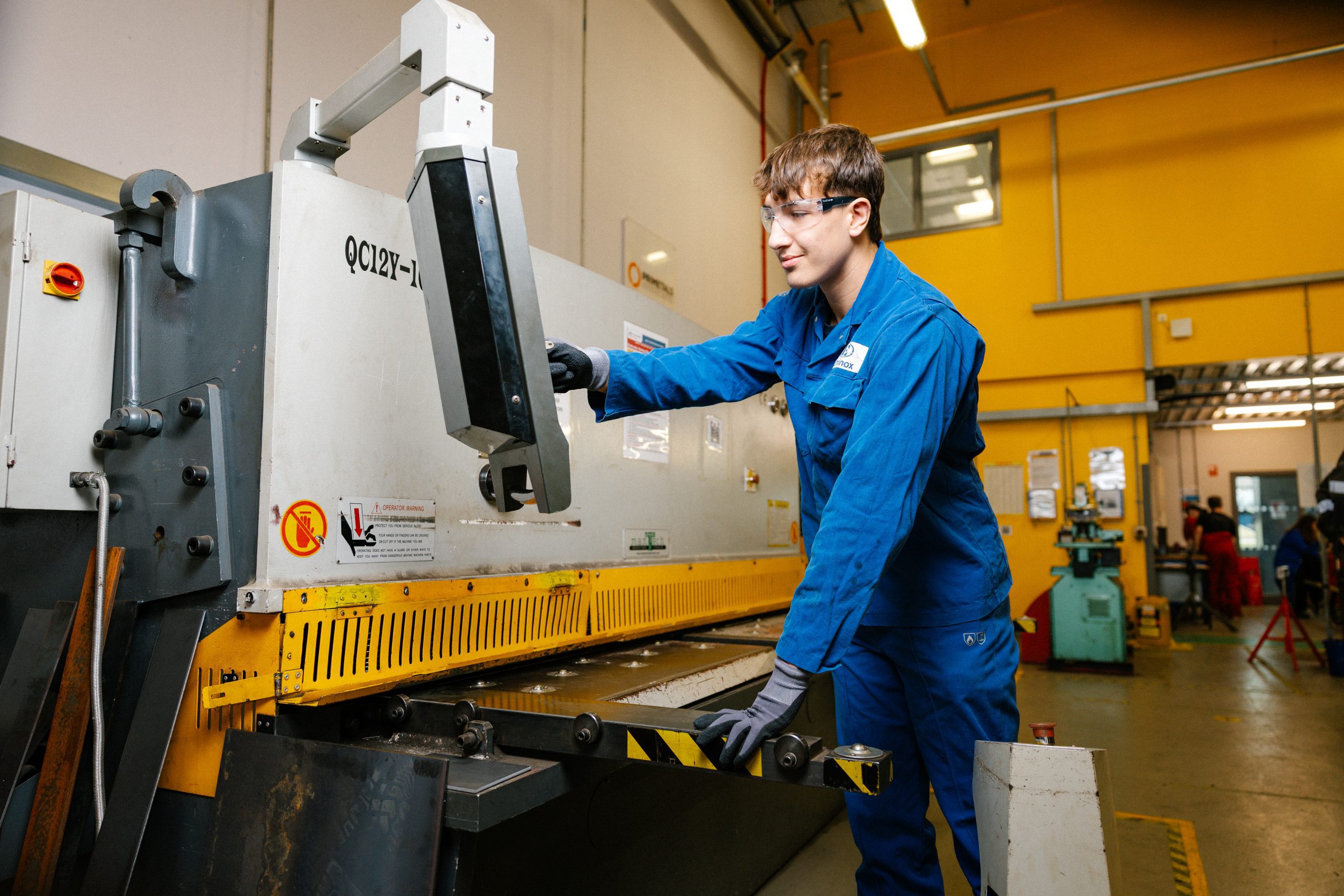
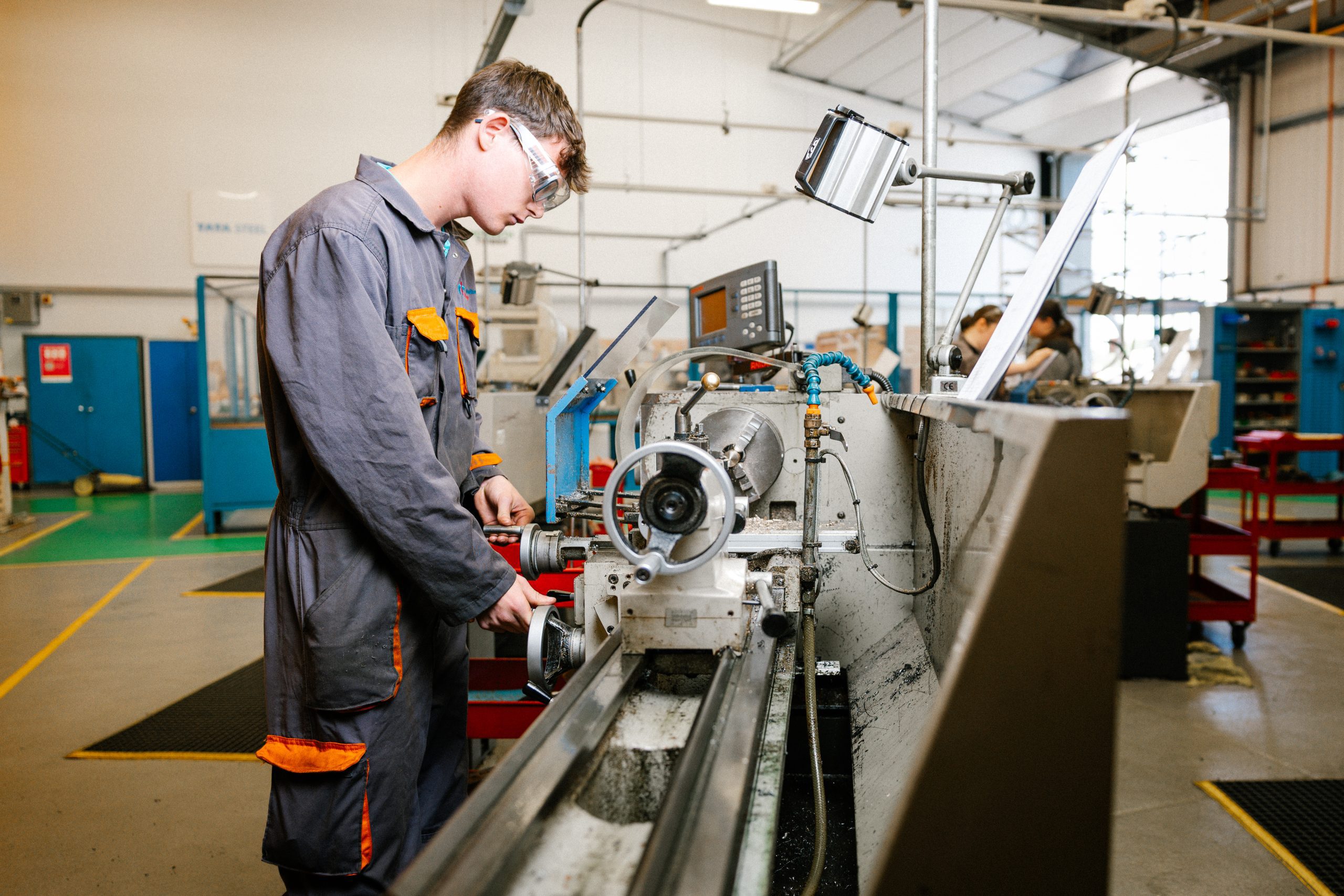
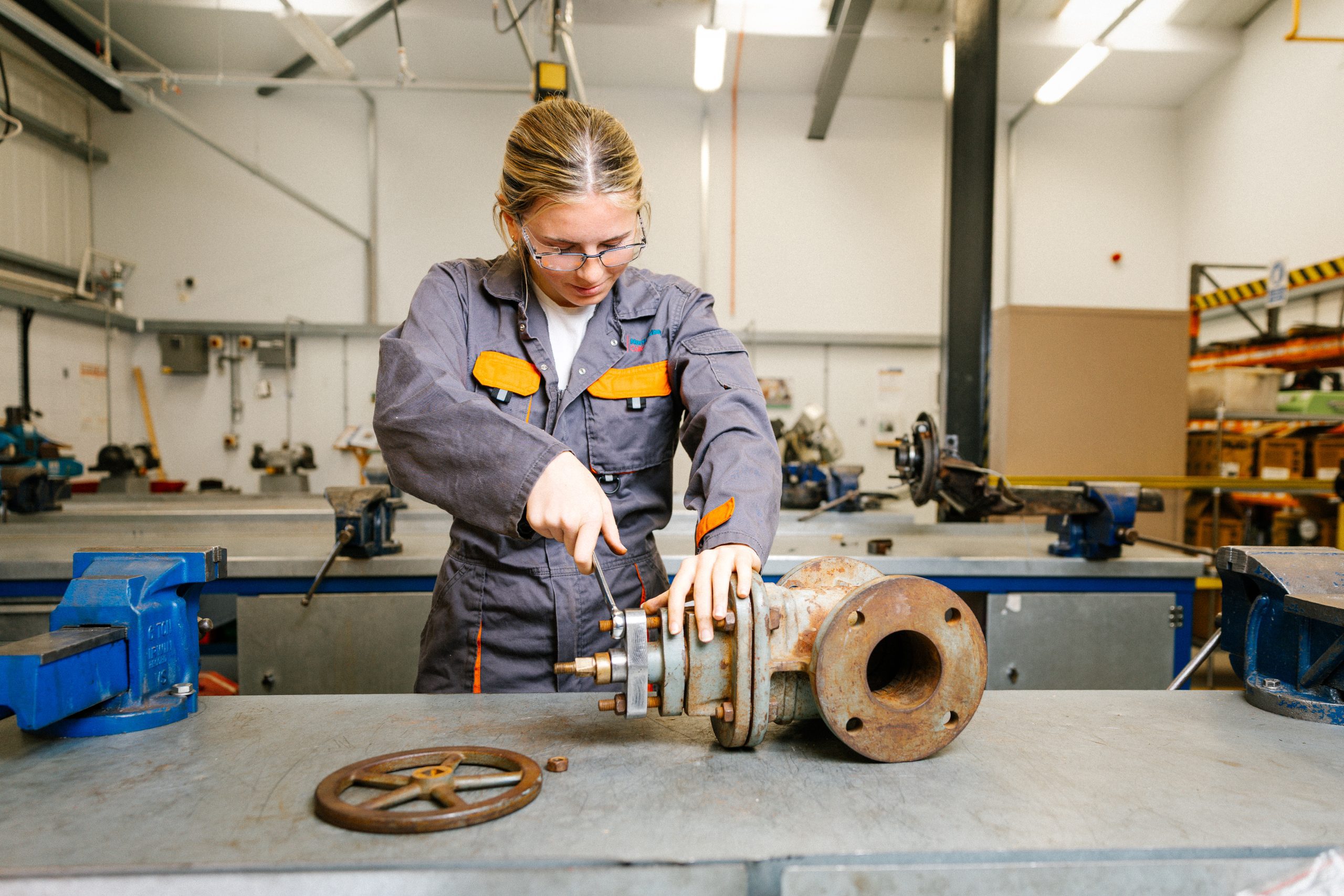
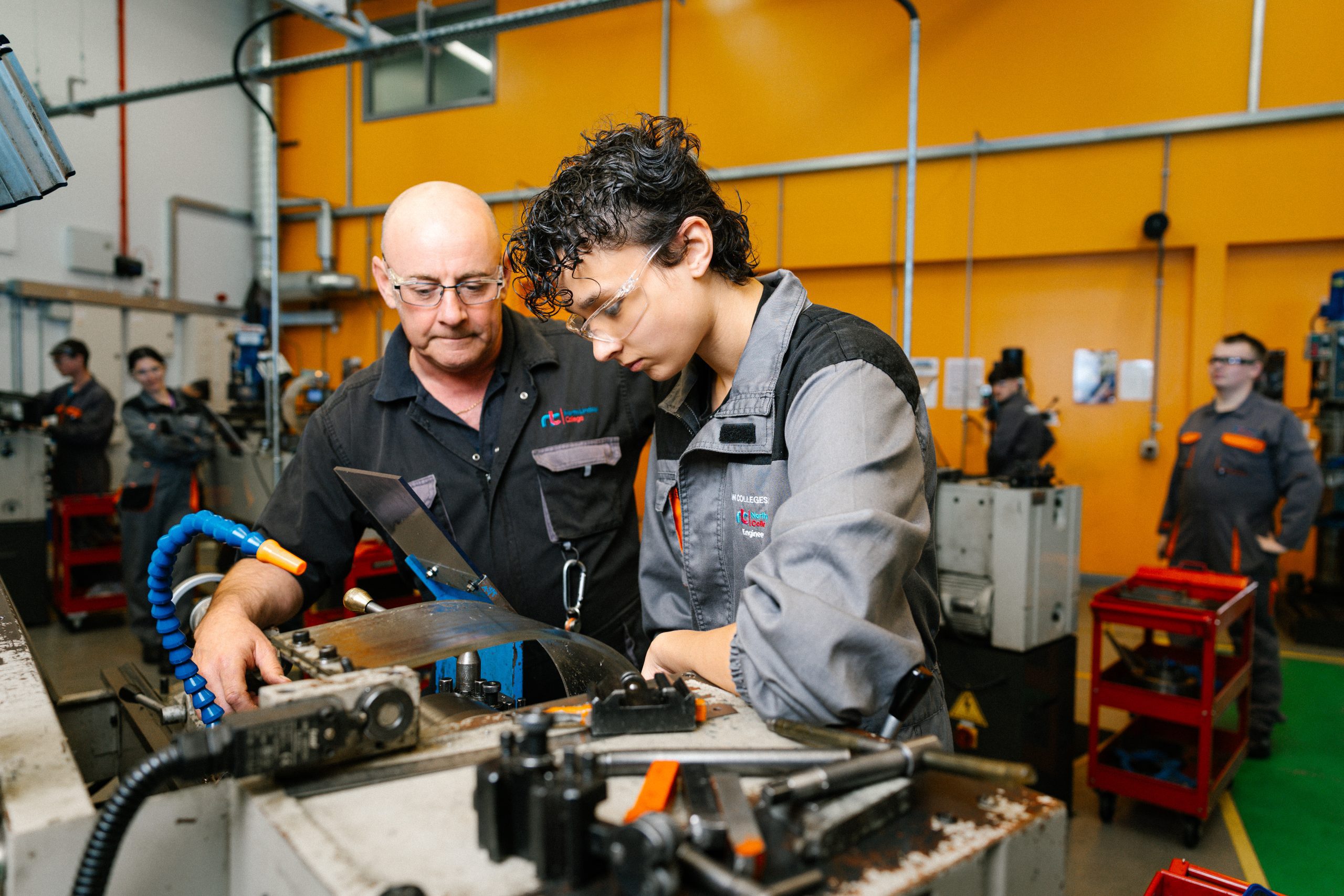
The first year of the T Level is made up of 17 units. In the second year students specialise in mechanical engineering.
The course has a substantial work placement where students spend a minimum of 315 hours work experience with a local employer.
Topics you will study include:
Entry requirements
Grade 6 in Maths and English.
Not sure you meet these? Talk to us and we will help you find the right starting point.
At University Campus North Lincolnshire
Careers it can lead to
With further study or experience
Typical pay is the UK median for each job (Lightcast, October 2026).

Student Voice
One of the biggest highlights of studying at North Lindsey College was the course structure—it gave me the flexibility to keep my part-time job while learning. I really enjoyed both the practical and theory sessions, and the course has opened so many doors for my future.
Students are often surprised by how friendly and welcoming college is. It's a supportive community where they'll build genuine friendships and feel part of something.
About student lifeIf your child has additional learning needs, our support team works with them from day one. Adjustments are put in place early so they can get the most out of their course.
About learning supportIf your child needs to resit GCSE English or Maths, it's built into the timetable, not bolted on as an extra. They'll get structured support alongside their main course.
Learn moreThese are nationally recognised qualifications with real academic weight. Your child will develop practical skills and knowledge that employers and universities genuinely value.
Apply now, come and see us first, or ask us anything.
Applications for September 2027 are open. Apply online in 10 minutes.
FE Open Event – 19th January 202719th January 4:30pm to 7:00pm
Ask us about the course, entry requirements or funding.
Call 01724 281 111
Apply online and you’ll get a confirmation email.
We’ll invite you to an interview to talk through the course and your plans, and make sure it’s right for you.
We’ll email you a conditional or unconditional offer.
Come to a taster session in the summer, then enrol in August, bringing your results.